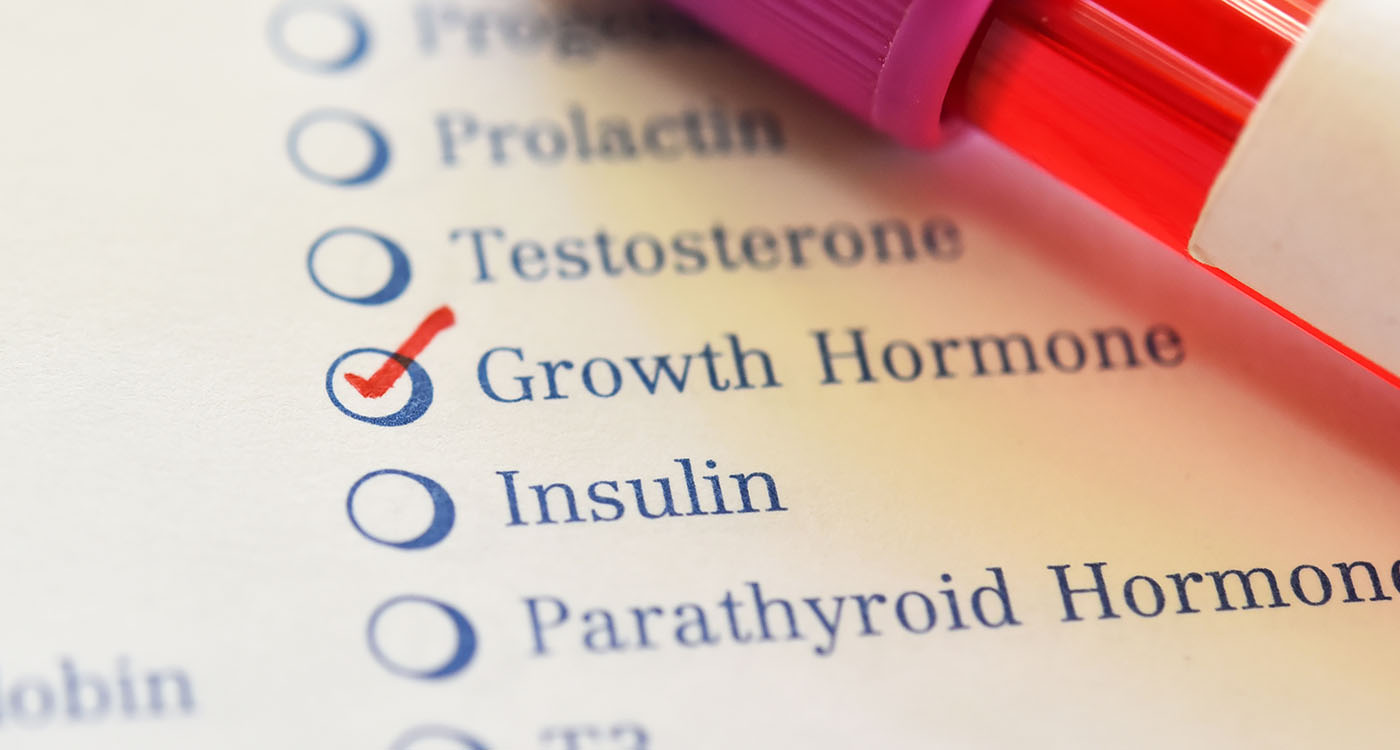
Amyotrophic Lateral Sclerosis (ALS) is a progressive neurodegenerative disease affecting nerve cells in the brain and spinal cord. Despite extensive research, the exact cause of ALS remains unknown, but its impact on patients’ lives is profound. This quest for effective treatments has led researchers to explore various therapies, including the use of recombinant Human Growth Hormone (HGH). This article delves into how HGH can help manage specific ALS symptoms, improving the quality of life for patients.
Understanding ALS and Its Symptoms
ALS is marked by the degeneration of motor neurons, resulting in muscle weakness, spasticity, and atrophy. Patients often endure severe weight loss, muscle atrophy, and respiratory difficulties. With no cure currently available, treatments mainly focus on symptom management and enhancing the patient’s quality of life.
The Role of Recombinant HGH in Treating ALS Symptoms
Promoting Muscle Strength and Preventing Atrophy
Muscle atrophy is one of the most debilitating symptoms of ALS. Recombinant HGH has anabolic properties that aid in building and repairing tissues. Studies have shown that HGH stimulates collagen synthesis in skeletal muscles and tendons, boosting muscle strength and improving physical performance. For ALS patients, this can mean a slower progression of muscle atrophy and better muscle function.
Enhancing Weight Management
Weight loss is a significant concern for ALS patients, often worsening their condition. HGH has been shown to accelerate lipolysis (the breakdown of fats) and increase lean body mass. A study published in *Clinical Endocrinology* found that growth hormone therapy stimulated body hair growth in growth hormone-deficient men, indicating an overall anabolic effect that includes weight maintenance. For ALS patients, maintaining body weight is crucial for overall health and functionality.
HGH’s Impact on Hair and Skin Health
Low levels of growth hormone or insensitivity to it can cause hair loss, evident in conditions like Laron syndrome where hair can be thin, sparse, and loosely anchored. Research indicates that growth hormone replacement can promote hair growth in those deficient. By stimulating the production of growth factors, amino acids, and nutrients, HGH can significantly improve hair health.
Moreover, HGH enhances skin elasticity and thickness by promoting cell regeneration. This can be particularly beneficial for ALS patients, who often suffer from compromised skin health due to immobility and nutritional deficiencies.
Neuroprotective Effects of HGH
While HGH is not proven to extend life expectancy for ALS patients, it may have neuroprotective effects that improve quality of life. HGH promotes neurogenesis and reduces brain inflammation, potentially protecting neurons and enhancing motor function. These effects can slow the progression of ALS symptoms, providing patients with better control over their movements and overall physical function. For more details, refer to the neuroprotective effects of HGH.
The Science Behind HGH and Hair Growth
HGH does not cause hair loss; in fact, it stimulates hair growth by enhancing the growth of hair cells at the root. The hormone encourages the release of insulin-like growth factor (IGF-1), which supports the growth and development of cells and tissues in the body. These mechanisms work together to promote new hair cell formation rather than destroying hair.
Clinical Evidence Supporting HGH Use in ALS
A study published in *Scientific Reports* highlights the potential benefits of recombinant HGH in ALS patients. The research demonstrated that HGH administration significantly improved body weight, lean body mass, and metabolic functions in ALS patients, suggesting that HGH can be beneficial in managing weight loss and muscle degradation. For more information, see the study on the impact of rHGH in ALS patients.
Somatropin (The authentic recombinant HGH)
High-Quality Nature of Somatropin
Somatropin, a form of recombinant HGH, is known for its consistent purity and efficacy, ensuring reliable treatment outcomes. It is manufactured under strict quality control standards, providing patients with a safe and effective hormone therapy option.
Legal and Affordable Facilitation through HGH Colombia
HGH Colombia facilitates legal and affordable access to top-quality recombinant HGH solutions at a fraction of the cost to our US customers through our network in Colombia. We ensure patients receive high-quality treatment without prohibitive costs. The comprehensive services provided include consultation, diagnostic evaluation, travel arrangements, and ongoing support to ensure a seamless treatment experience.
Integrating HGH into ALS Treatment Plans
For ALS patients considering HGH therapy, consulting with healthcare professionals is crucial to tailor the treatment to individual needs. HGH therapy should be part of a comprehensive care plan that includes nutritional support, physical therapy, and other medical interventions to manage ALS symptoms effectively.
Takeaways – rHGH and it’s Effects on Weight Loss Prevention and Muscular Atrophy
Recombinant HGH offers significant health benefits, from muscle strength and weight management to improved hair and skin health. In light of the FDA’s peptide ban, rHGH stands out as a natural, safe, and effective hormone therapy. HGH Colombia provides a streamlined, cost-effective approach to accessing this treatment, ensuring patients receive the care they need legally and affordably.
While HGH does not cure ALS or extend life expectancy, it can mitigate some of the disease’s most challenging symptoms, enhancing patients’ quality of life. As research continues, HGH therapy may become an integral part of managing ALS, providing hope and improved well-being for those affected by this debilitating disease.